
5 high-leverage organic growth marketing strategies for 2026
Systems that compound over time. Nothing flashy. Nothing theoretical.
Organic growth is still one of the most underrated ways to attract attention, trust, and customers without burning money on ads. In 2026, it matters even more. Platforms are crowded, ad costs keep rising, and audiences are far more skeptical than they were a few years ago.
This piece breaks down five organic growth strategies that actually compound over time. Nothing flashy. Nothing theoretical. Just systems that work if you commit to them.
Before jumping in, let's ground the basics.
What does "organic growth" mean in marketing?
Organic growth marketing focuses on acquiring users without directly paying for distribution. That includes SEO, content, product-driven sharing, newsletters, community, and word of mouth.
At its core, organic growth relies on:
- •Owned media: your website, product, email list, content
- •Earned media: mentions, shares, referrals, trust
Instead of renting attention from ad platforms, you build assets that keep working even when you stop actively pushing them.
Why organic growth matters in 2026
Organic growth isn't just a "nice-to-have." It's a structural advantage.
Key benefits
- •Lower CAC over time: Paid channels inflate acquisition costs. Organic channels amortize.
- •Brand trust: People trust what they discover, not what interrupts them.
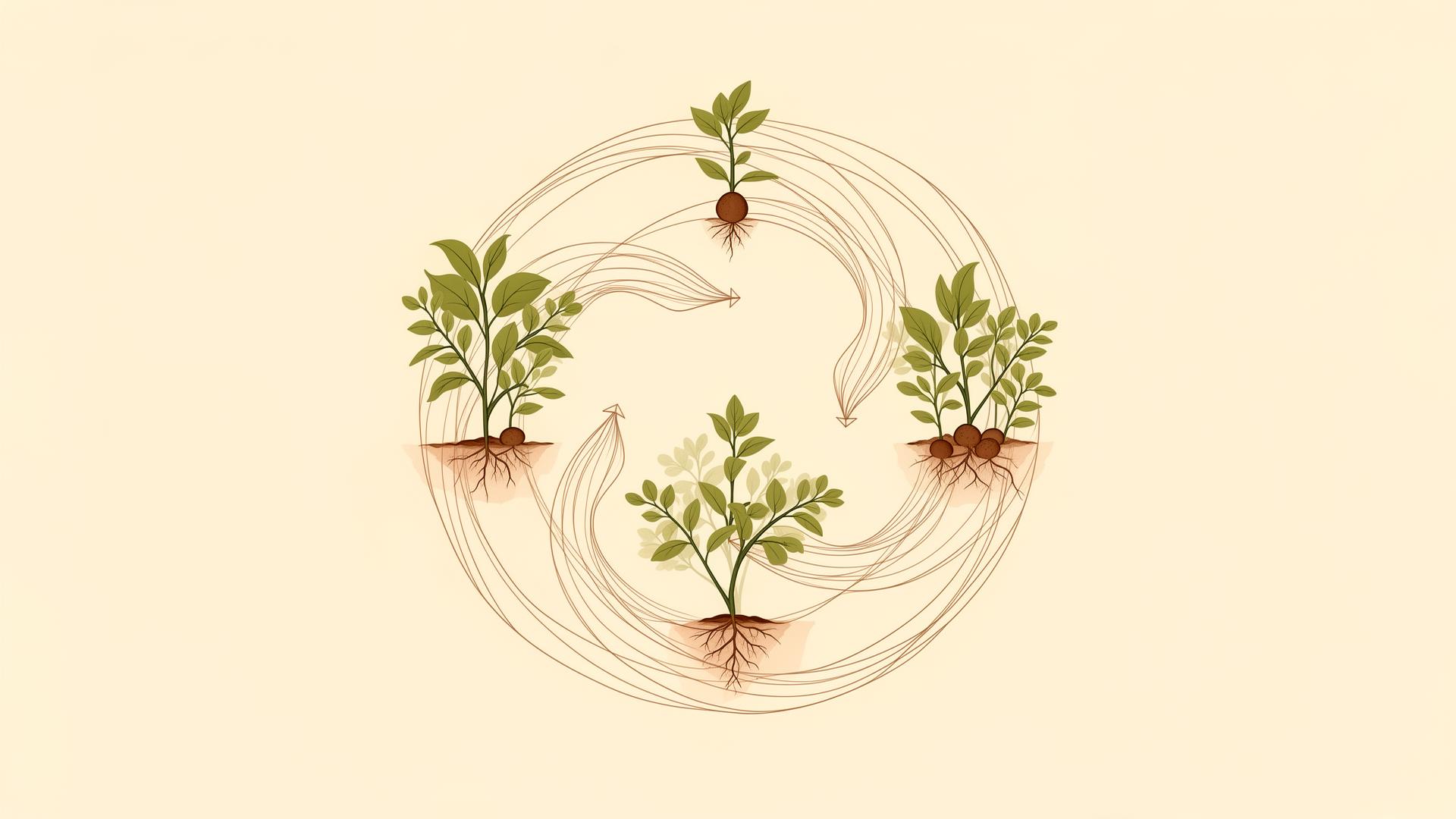
- •Sustainability: Organic systems behave like flywheels. Slow to start, hard to stop.
- •Resilience: When ad platforms change rules or pricing, organic assets still stand.
Now, let's get into the strategies.
5 proven organic growth marketing strategies for 2026
Editorial SEO (beyond Google)
SEO is no longer just "ranking blog posts on Google."
Search behavior has fragmented:
- •Google is still dominant
- •YouTube is the second-largest search engine
- •AI tools and chat interfaces increasingly influence discovery
Editorial SEO means creating content designed to be found, not just published.
That includes:
- •Blog content mapped to real search intent
- •Video content optimized for YouTube discovery
- •Content written clearly enough to be surfaced by AI tools and assistants
The strategy is simple:
- Identify what your audience searches for at different stages of awareness
- Create content that genuinely answers those questions
- Structure it cleanly so machines and humans both understand it
When done correctly, white-hat SEO tends to show up everywhere search exists, not just on Google.
Product-driven growth loops
Funnels are fragile. Loops compound.
A growth loop is when user output feeds back into user acquisition. The product itself becomes the distribution channel.
Common loop patterns:
- •Sharing invites usage (social products)
- •User output becomes public content (portfolios, profiles, pages)
- •Branding travels with the product (footers, embeds, exports)
The critical idea:
Your best marketers are often your existing users.
If the product creates something visible, shareable, or useful to others, growth can self-reinforce. But this only works if the product is genuinely valuable. Loops don't fix bad products. They amplify good ones.
Programmatic SEO (with or without UGC)
Programmatic SEO is about scaling pages through structure, not manual writing.
There are two common models:
UGC-driven
- • Users generate content
- • Company provides optimized "containers"
- • Pages grow automatically
Dataset-driven
- • Large, structured dataset exists
- • Pages generated programmatically
- • Combinations: tools, integrations, locations
The core requirement is the same:
- •Clean taxonomy
- •Strong internal linking
- •Each page solves a clear, specific search intent
When done right, programmatic SEO quietly becomes one of the highest-ROI organic channels available.
Email newsletters as growth infrastructure
Newsletters are often underestimated because they feel "old."
They aren't.
A strong newsletter:
- •Builds a direct relationship with your audience
- •Encourages forwarding and word of mouth
- •Reinforces brand familiarity across other channels
- •Creates secondary lift in SEO and social mentions
Newsletters work best when:
- •They're consistent
- •They're opinionated or useful
- •They're written for humans, not algorithms
An engaged email list is an owned distribution channel. That alone makes it one of the most powerful organic assets a company can build.
Customer service as a growth channel
This one is overlooked, but it's foundational.
People talk about experiences. Especially bad ones. Sometimes great ones.
Strong customer support:
- •Improves retention
- •Reduces negative word of mouth
- •Creates advocates instead of churned users
When support resolves problems quickly and generously, it turns potential brand damage into trust. Retention strengthens every other organic effort. Without it, growth leaks.
In simple terms:
- Content is fuel
- Distribution is leverage
- Retention is the engine
No engine, no flywheel.
Final thoughts
Organic growth isn't about hacks. It's about systems that reward patience.
In 2026, the companies that win organically will:
- •Create content people actually want to find
- •Build products that market themselves
- •Structure data so it scales
- •Own their audience through email
- •Treat customers well enough that they talk
Paid ads can accelerate growth later. Organic growth builds the ground you accelerate on.
If you get this right, everything else becomes easier.
Found this useful?
Loading reactions…